Building a Custom Log Cabin in Colorado’s High Country: What to Know Before You Break Ground
Building a Custom Log Cabin in Colorado’s High Country: What to Know Before You Break Ground
Building a custom log cabin in Colorado’s high country is a dream that comes with its own set of challenges. From understanding Colorado snow load requirements to navigating local building codes, every detail matters when crafting a home that lasts. If you’re planning your mountain retreat, knowing what to expect before breaking ground can save time and money. Let’s explore what sets a successful custom log cabin build apart in South Park, Colorado. For more insights, you can visit this guide on mountain cabin construction.
Understanding Site Considerations
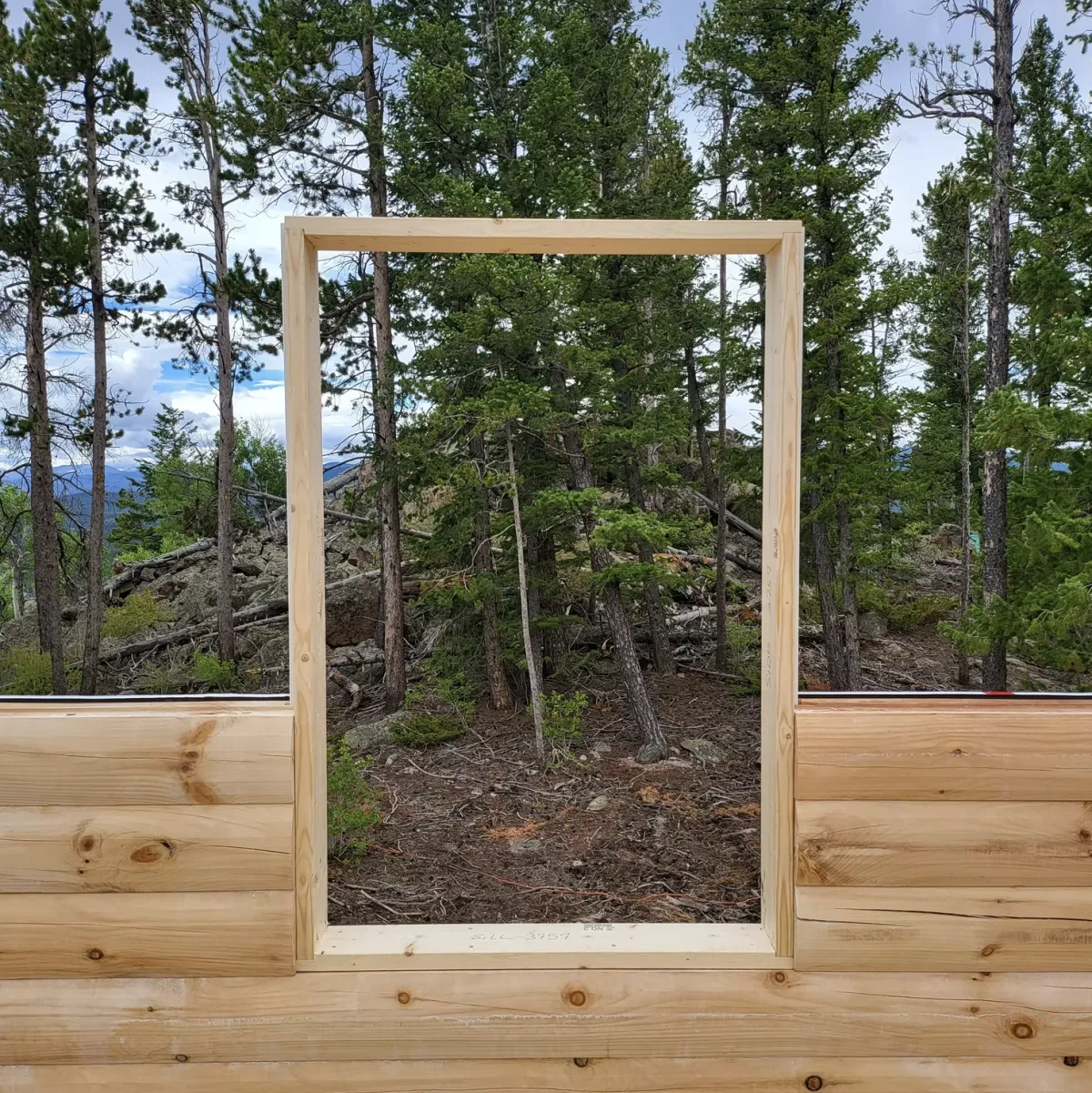
Building in Colorado's high country requires careful planning of the site. Let's look at key factors to evaluate.
Evaluating Mountain Terrain
Choosing the right spot for your cabin is step one. Mountain terrain is full of surprises, from rocky soils to steep slopes. It's crucial to pick a site that supports your dream cabin. Start by walking the land. Feel the ground. Is it rocky or soft? Rocky terrain might need more excavation, but it offers stability. Soft ground may require extra support. Next, think about access. Narrow mountain roads can be tough. Make sure construction vehicles can reach your site. And don't forget about views. A cabin nestled in the trees with a view of the peaks is a dream come true.
Colorado Snow Load Requirements
Snow can be both beautiful and heavy. In Colorado, knowing the snow load is vital. This tells you how much snow your roof can handle. In South Park, the snow can pile up, so your roof must be strong. Check local codes to see the required snow load. You want a roof that won't buckle under winter's weight. Choosing the right materials can make a difference, too. Metal roofs are popular as they shed snow easily. Always double-check with a professional to ensure safety. For more information, explore log cabin construction methods.
Frost Depth Foundation Colorado
Frost can affect your cabin's foundation. In Colorado, the frost depth can be several feet deep. This means your foundation must be below this depth to prevent shifting. A shallow foundation might crack when the ground freezes and thaws. Digging deeper can be more work, but it ensures stability. Always consult a local expert who knows the area's specific frost depth. They'll guide you on how deep to dig. Your cabin's longevity depends on it.
Essential Design and Code Factors

Once your site is ready, design and building codes come into play. These elements shape your cabin's final form.
Energy-Efficient Log Cabin Essentials
Saving energy is crucial in a mountain cabin. Insulation is your best friend here. Logs have natural insulating properties, but you can enhance this. Double-paned windows keep the cold out and the heat in. A well-sealed cabin reduces energy loss. Think about using renewable energy sources, too. Solar panels can power lights and appliances. It’s a smart way to stay off-grid. By making energy-efficient choices, you save money and the environment.
Colorado Building Codes for Log Homes
Every cabin must meet Colorado's building codes. These codes ensure your home is safe and sound. They cover everything from electrical systems to plumbing. Make sure your plans meet these codes before construction starts. Hiring a knowledgeable builder can help. They’ll navigate the codes and get the necessary permits. This step is crucial to avoid legal headaches later. Always double-check with local authorities for updates.
Wildfire Mitigation and Defensible Space
Wildfires are a concern in Colorado's mountains. Protect your cabin with a defensible space. This means clearing brush and trees around your home. A 30-foot buffer zone is recommended. Use fire-resistant materials for your cabin’s exterior. Metal roofs and tempered glass windows can resist flames. Regular maintenance, like cleaning gutters, reduces fire risk. Preparation is key to safeguarding your investment.
Budgeting and Construction Timeline
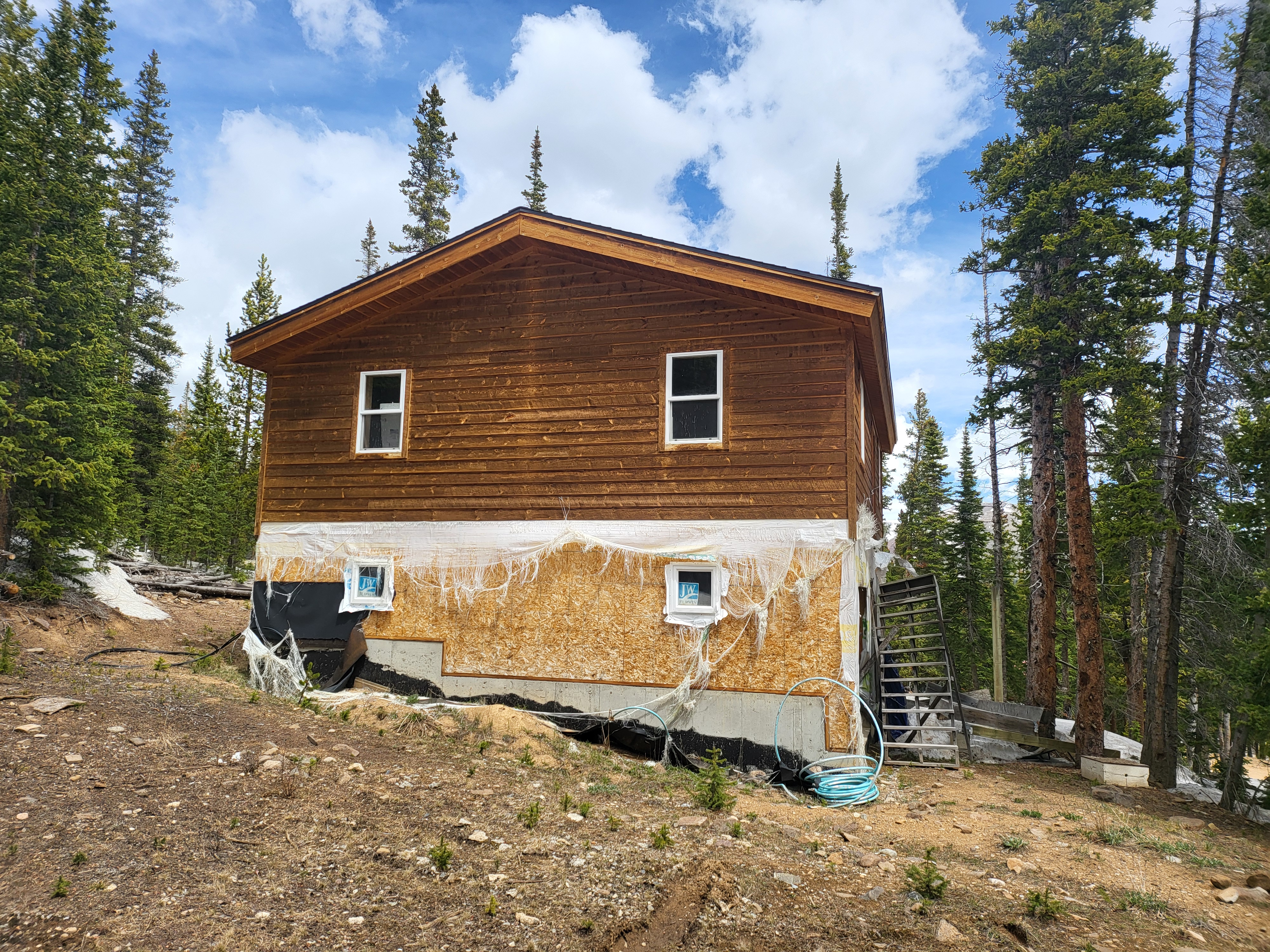
Planning your budget and timeline is crucial to a smooth build. Let's break down what to consider.
Planning for Off-Grid Cabin Colorado
Building off-grid is ideal for mountain retreats. But it requires careful planning. Start with your power source. Solar energy is popular, but it requires sunny spots. You’ll need batteries for cloudy days. Water is another key factor. Will you dig a well or use a rainwater system? Calculate these costs in your budget. Off-grid cabins can save money in the long run. But initial setup can be costly. Plan ahead to avoid surprises.
Managing Winter Building Schedule
Winter construction has its challenges. Cold weather can delay work and increase costs. Plan your build to start in spring or summer. This gives you time to finish before snow hits. If you must build in winter, prepare. Make sure roads are plowed for deliveries. Use materials that can withstand cold. Stay flexible with your timeline to avoid stress.
Septic and Well Considerations in South Park
Water and waste systems are essential for remote cabins. A septic system handles waste, while a well provides water. Installing these requires permits and inspections. Check local regulations before digging. Septic systems need proper drainage to function. Wells must tap into a reliable water source. Investing in quality systems upfront saves trouble later. Proper planning ensures your cabin is ready for mountain living.
