Colorado Building Regulations 101: A Practical Guide for Custom Home Builders
Colorado Building Regulations 101: A Practical Guide for Custom Home Builders
Building your dream custom home means navigating a maze of rules—from permits to zoning to septic approvals. Missing a step in Colorado building regulations can slow your project and add unexpected costs. This guide breaks down what you need to know to keep your build on track, whether you’re planning a log cabin, barndominium, or mountain home. Ready to get your plans moving? Let’s explore the essentials together. For more insights, check out this resource.
Navigating Colorado Building Permits
Essential Permitting Steps
Let’s unravel the permitting process. First, gather all necessary documents including land deeds and site plans. This helps set a solid foundation. Next, submit applications for your building and septic permits. This step is vital: without the right permits, you could face delays or fines. Make sure to check the timeline for approvals, which often takes several weeks. During this period, stay in touch with local authorities to ensure everything progresses smoothly.
The importance of understanding these steps can’t be overstated. Missing a detail could halt your project. Most people think permits are a quick formality, but they aren't. They require careful attention and patience. For more on the topic, explore this guide.
Understanding Colorado Zoning Requirements
Zoning dictates where and how you can build. It’s crucial to know your zone type before breaking ground. Start by reviewing local zoning maps to see what's allowed on your land. Some zones favor residential builds, while others might limit them due to environmental concerns. Don’t overlook the potential restrictions on building size or height. These factors impact your design choices.
Contrary to popular belief, zoning isn’t just red tape. It protects property values and ensures community harmony. By understanding zoning requirements early, you avoid costly redesigns. This proactive approach saves time and money. Curious about zoning pitfalls? Read more here.
Designing Your Dream Home
Custom Home Builder Colorado Insights
Working with a skilled builder is your next step. They bring your ideas to life, ensuring that each detail meets your standards. Discuss your budget and desired style with them. Whether you dream of a cozy log cabin or a modern retreat, they can tailor the design to match. Engage their expertise to understand material options and construction techniques suited to your locale.
Many believe designing is just about aesthetics, but it’s also about function. A well-designed home not only looks good but also caters to your lifestyle. By choosing a trusted builder, you ensure a home that's both beautiful and practical. Interested in expert advice? Check out this article.
Crafting Barndominiums in Colorado
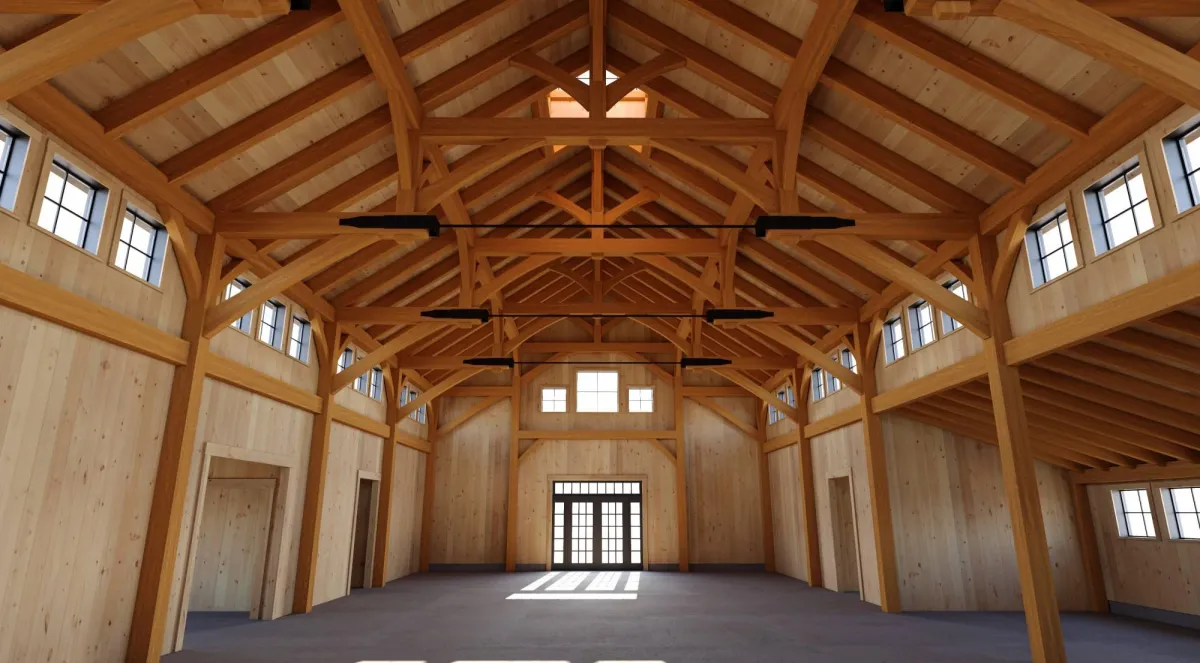
Barndominiums are a popular choice, merging rustic charm with modern amenities. Begin by selecting a flexible layout that suits your needs. These structures are versatile: they can serve as homes, workshops, or even event spaces. Consult with your builder to decide on features like open floor plans or loft areas.
Most people think barndominiums are informal, but they can be luxurious. With the right finishes, they transform into stunning living spaces. This blend of style and function makes them appealing to many. Want to explore more about barndominiums? Visit this resource.
Building for Mountain Conditions
Snow Load Requirements Colorado
Snow load is a critical factor in mountain builds. Your roof must withstand heavy snowfalls common in these areas. Start by consulting local codes on snow load specifications. Ensure your design includes reinforced roofing materials and proper drainage systems to handle meltwater efficiently.
Many underestimate the impact of snow on structures, but it can be significant. Proper planning prevents damage and ensures safety. By addressing snow load early, you avoid costly repairs down the line. Interested in learning more about these requirements? Read this guide.
Creating a Wildfire Defensible Space 🏔️
Wildfires are a real threat in mountainous regions. Creating defensible space around your home is essential. Start by clearing vegetation and debris within a 30-foot radius of your house. This reduces fuel for fires and provides a buffer zone. Select fire-resistant materials for your exterior to further safeguard your home.
Most homeowners overlook the importance of wildfire prep. However, it’s crucial for safety and peace of mind. By taking these steps, you protect your investment and your family. Want more tips on creating a safe mountain home? Explore this link.
In summary, building your dream home in these scenic areas is a rewarding journey. By understanding permits, zoning, and mountain-specific requirements, you pave the way for a smooth construction process. Remember, thorough preparation is key to success.
