
Plan Your Rural Custom Build in South Park, CO: A Step‑by‑Step Guide to Avoid Common Setbacks
Plan Your Rural Custom Build in South Park, CO: A Step‑by‑Step Guide to Avoid Common Setbacks
Planning a custom build on your rural South Park property can quickly turn stressful without the right steps. Missed permits, tricky site access, and unexpected utility challenges often cause costly delays. This guide walks you through rural property construction planning essentials so you avoid common setbacks and keep your build on track. Ready to take control of your project? Let’s get started with what matters most.
Learn more about avoiding common building setbacks.
Site Access and Utilities
Ready to break ground? First, let's tackle the challenge of reaching your site and ensuring essential utilities are planned out.
Driveway and Access Road Construction
Creating a path to your property is crucial. Start by evaluating the terrain. A smooth, sturdy road means your build won't face delays. Gravel or stone are popular choices for rural roads. They offer durability and are cost-effective. Ensure your driveway can handle heavy machinery. A width of 12 feet is often enough. But, always check local guidelines. Local regulations can affect road placement and materials.
Regular maintenance is key. Unchecked erosion can degrade your access road quickly. Keeping vegetation trimmed and ditches clear can help. Plus, periodic grading can maintain a level surface. Remember, a well-maintained road supports a smooth construction process. Ready to move on? Let's explore how to provide essential water and waste services next.
Septic and Well Planning South Park
Water and waste management are next on our list. Establishing a reliable water source is crucial. Well drilling can be a good option. In South Park, well depths vary. Expect to drill between 100 to 400 feet. This ensures a steady supply. Always hire a licensed driller. They know local aquifers and regulations.
On the waste side, a septic system is essential. Begin with a soil test. This determines absorption rates and system size. A typical system includes a tank and drain field. Size depends on your home's projected water usage. Keep future expansions in mind. Plan for extra capacity if needed. Proper planning prevents potential issues later. Want to know more about permits? Keep reading.
Essential Permits and Regulations
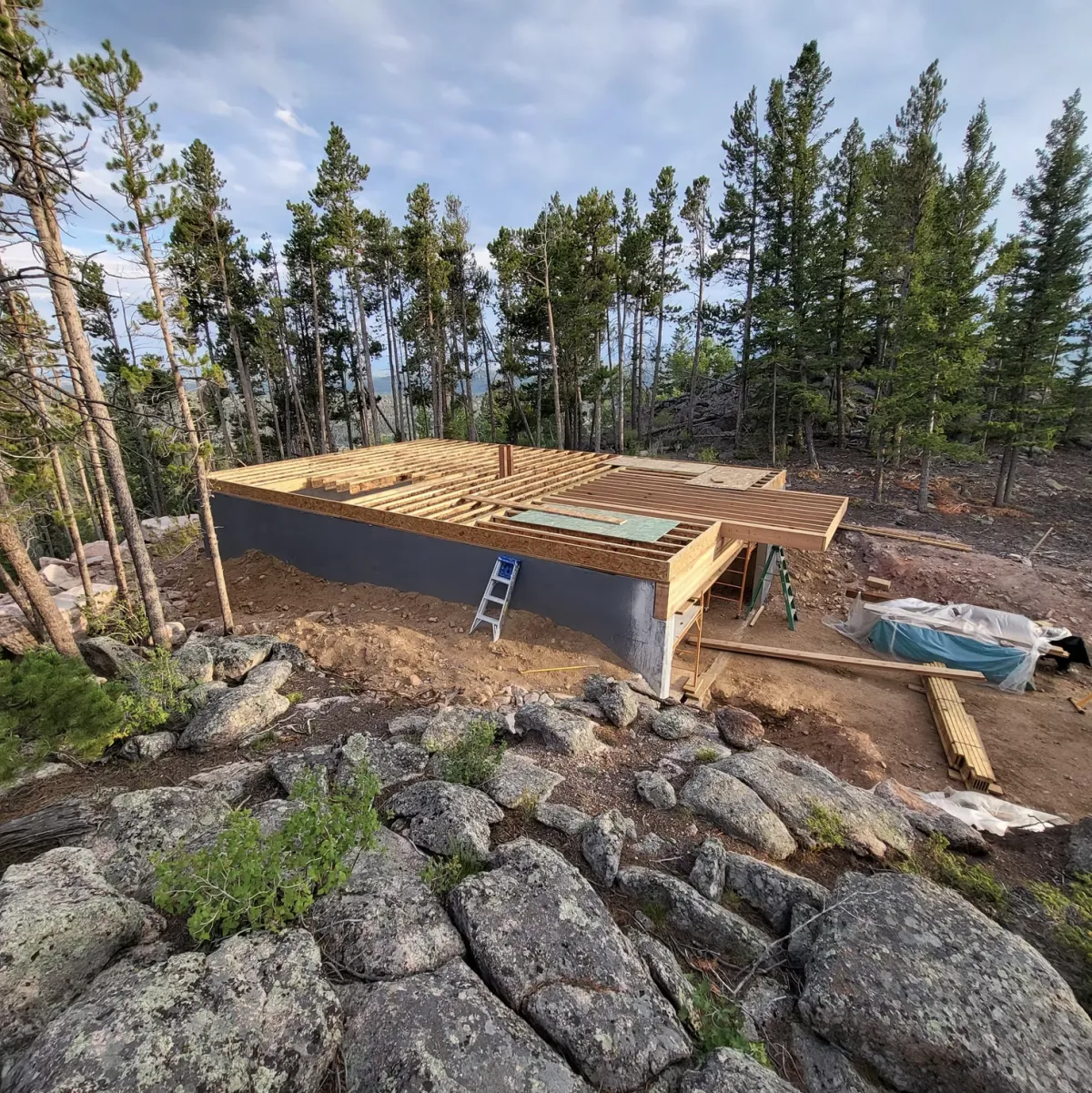
Before any construction starts, permits and regulations need attention. Skipping this step can lead to hefty fines and delays.
Building Permits Park County CO
In Park County, building permits are mandatory. Start by visiting the county's building department. They provide the necessary forms. Most applications require site plans, soil tests, and project details. Be thorough in your submission. Missing information can cause delays.
Permit fees depend on your project's scope. For a typical home, fees can range from $2,000 to $5,000. Once submitted, reviews take time. It's wise to allow at least 30 days. Need help with the permit process? Consulting a local contractor can streamline your application.
Snow Load and Wind Load Requirements Colorado
Colorado's weather impacts building codes. Snow and wind loads are critical factors. Design your home to withstand heavy snowfalls. Roofs need to support up to 90 pounds per square foot in some areas. This prevents structural damage and safety hazards.
Wind loads matter too. In South Park, gusts can reach 110 mph. Anchoring your structure properly is essential. Consult with structural engineers to ensure compliance. Their expertise guarantees your build meets all safety standards. With permits in hand, it's time to budget and schedule your project effectively.
Budgeting and Timeline Considerations
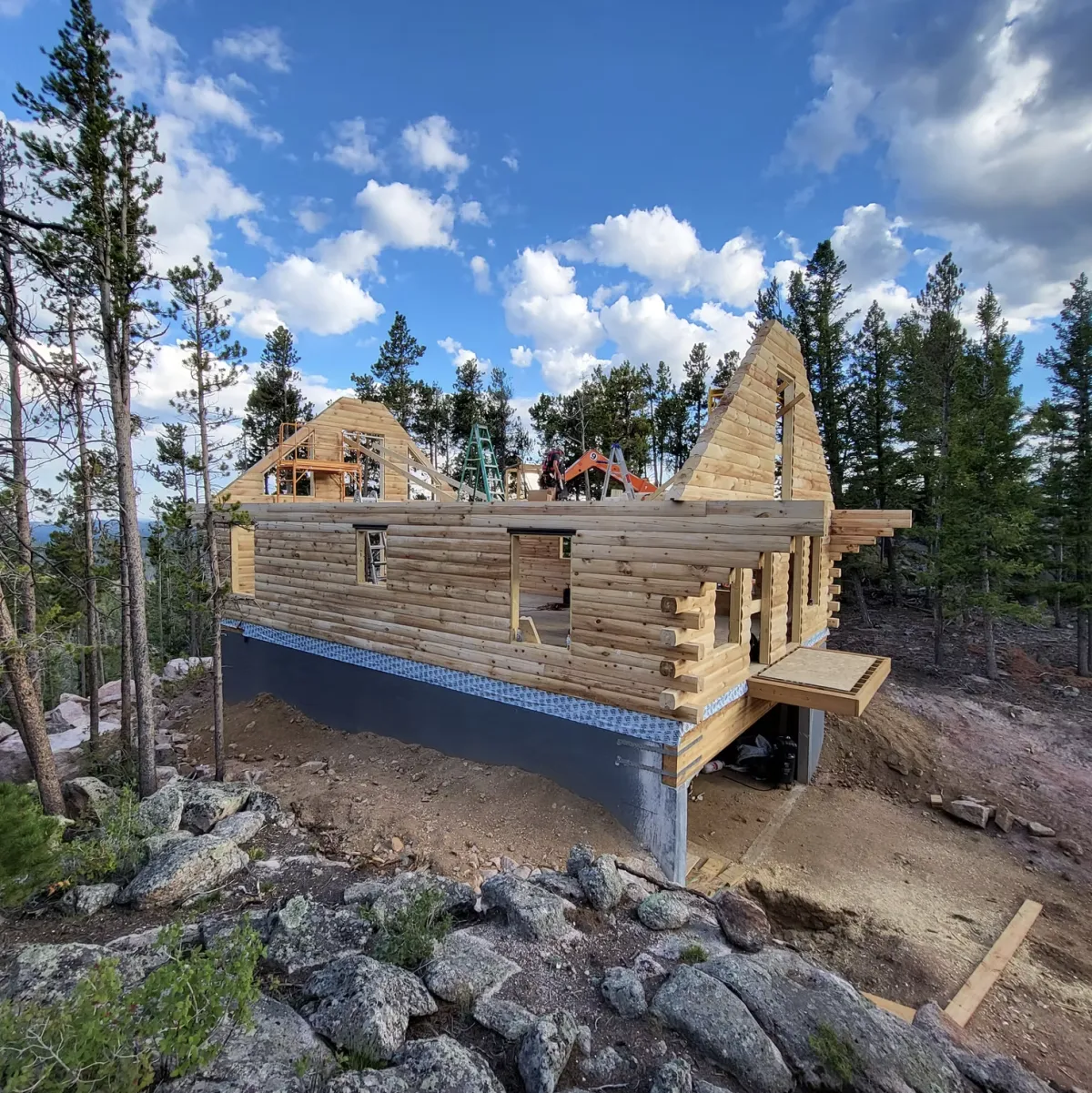
With permits secured, focus shifts to managing costs and timelines. Effective planning here saves money and stress.
Cost-Saving Tips for Rural Builds
Building in rural areas offers unique savings opportunities. First, consider local materials. Using nearby resources reduces transportation costs. For example, locally sourced wood can cut expenses by up to 20%.
Second, explore modular options. Pre-fabricated elements can be cheaper and faster to install. They also minimize weather-related delays. Third, plan your build for off-peak seasons. Contractors often offer better rates when demand is lower. Small choices can lead to significant savings. Curious about keeping timelines on track? Let's delve into that next.
Managing Construction Timelines Efficiently
Timelines can make or break your project. Begin by setting clear milestones. These checkpoints keep your build moving smoothly. Weekly updates with your contractor ensure everyone is on track.
Weather in South Park is unpredictable. Keep a buffer in your schedule for unexpected delays. A 10% time allowance is often wise. Finally, communication is key. Regular check-ins with your team prevent misunderstandings. With your budget and schedule in place, you're set for a successful build. Ready to bring your dream home to life?
By carefully planning each step, you ensure your project is a success. With your roadmap in hand, the longer you wait, the more you risk unnecessary costs or setbacks. Start your dream project and enjoy the peace of mind that comes with a well-executed plan.
